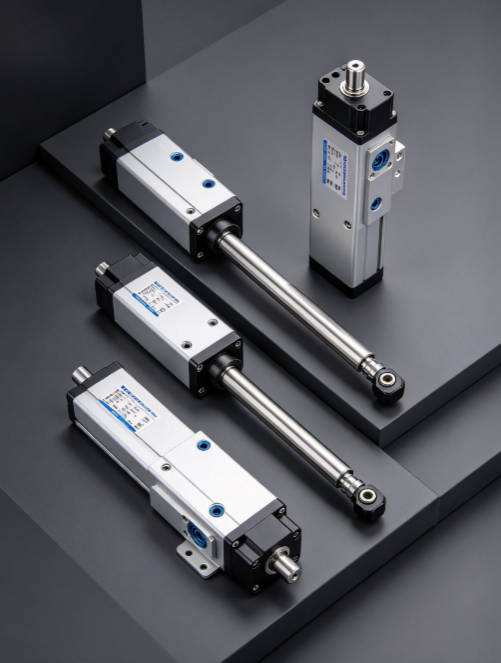
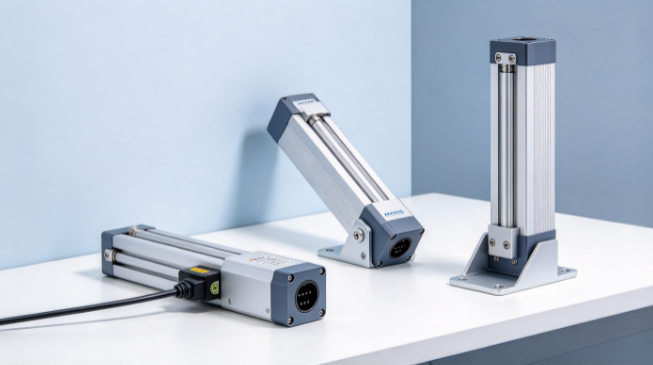
Start with the Load
Identify the required pushing or pulling force throughout the movement. Mounting angles and linkage geometry can make the actuator force different from the weight of the object being moved.
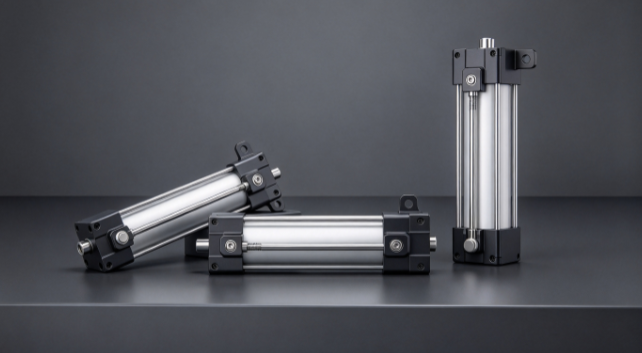
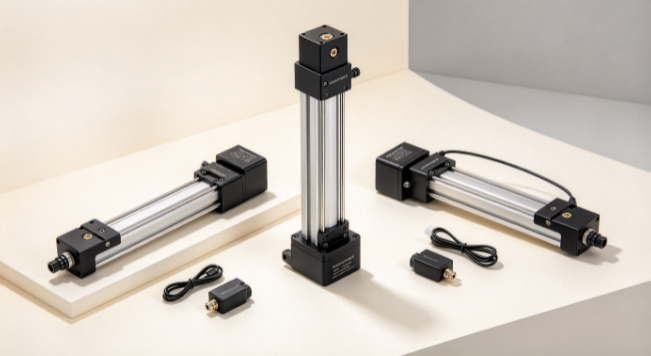
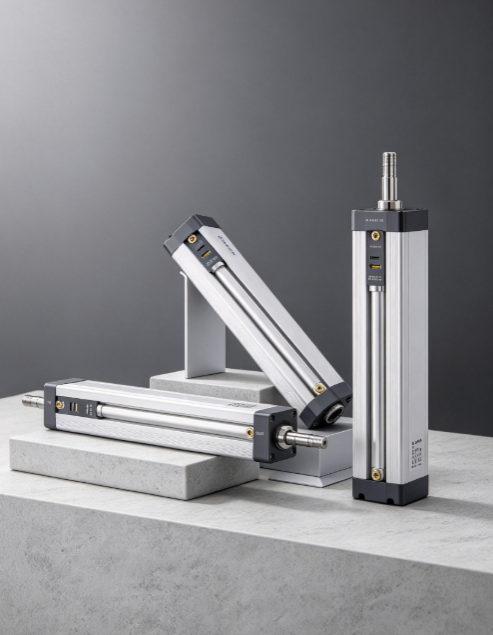
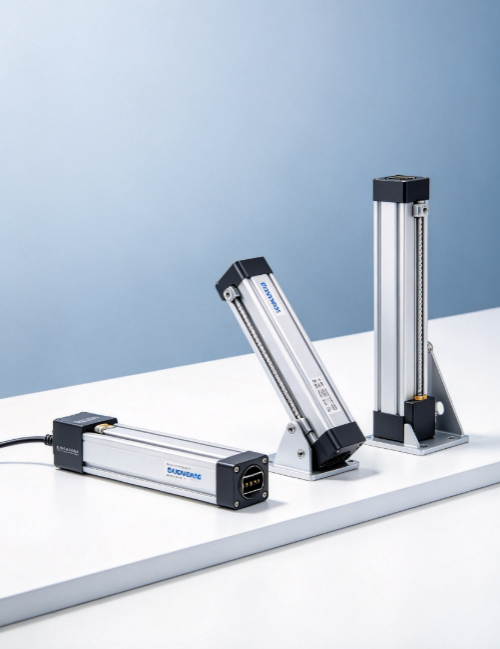
Choosing an electric linear actuator involves more than matching a stroke length or voltage. The required force, mounting arrangement, movement speed and operating frequency all influence which model is suitable for your equipment.
We specialise in electric linear actuator wholesale, helping buyers discuss selection requirements for furniture, industrial machinery, medical equipment and office systems. Share your application details, drawings or existing model reference to begin the selection process.
Identify the required pushing or pulling force throughout the movement. Mounting angles and linkage geometry can make the actuator force different from the weight of the object being moved.
Confirm the travel distance, retracted length and extended length alongside the required operating speed. Allow enough space for mounting points, cables and the full movement of the mechanism.
Consider operating frequency, moisture, dust and temperature together with the power supply and control method. Each requirement should be checked against the specifications of the proposed model.
Explore eight application areas and the selection factors that matter in each. Final suitability depends on the actuator model and the design of the complete equipment.
For recliners and adjustable seating, review operating noise, available mounting space, load requirements and compatibility with the hand control.
Check the force needed at each lifting point, the adjustment range and load-holding behaviour. Multiple movements require a compatible control arrangement.
For height-adjustable desks and workstations, consider stability, travel speed and duty cycle. Multi-leg systems may need synchronised lifting columns and matched controls.
Review load holding, cleaning exposure, noise and any emergency-lowering needs. Device-specific safety and compliance requirements must guide component selection.
Define peak force, operating frequency and positioning needs. Check resistance to dust and vibration, and use suitable guides where the mechanism creates side loads.
Consider feedback signals, repeatability and controller compatibility for automated positioning. Confirm speed, cycle requirements and end-of-travel control.
For hatch, chute or mechanism adjustment, check exposure to moisture, dirt, temperature changes and vibration, together with the available power supply.
Review opening geometry, wind loads, weather exposure and mounting points. Building-control compatibility and any specialist ventilation requirements need confirmation.
Use your equipment design and working conditions to build a clear specification before comparing products or requesting a bulk quotation.
Furniture and office applications often place the actuator close to the user. Smooth movement, operating noise and installation space therefore deserve attention alongside the basic force and stroke requirements.
Industrial selection should account for how frequently the actuator runs and how the load changes through each cycle. A model with sufficient thrust may still be unsuitable for the required operating schedule or positioning task.
Actuators used in patient-positioning and care equipment need to be assessed as part of the complete device. Selection should reflect the intended use, loading conditions, cleaning procedures and required protective functions.
Send your application, required force, stroke, speed, voltage, mounting dimensions and operating frequency, together with the order quantity and delivery requirements. Drawings or an existing model reference can help clarify your request.